
Asian Football Marks its Stance Across the Globe

Europe’s top five leagues dominated football clubs worldwide-but things are changing. Across the Middle East and South East Asia, clubs are now major contenders for attention, talent, and market engagement outside of their borders thanks to investment, strategic recruitment, competition reform, and sharper commercial vision. Over the past few seasons, Asian clubs have emerged from the background into the spotlight.
The Arabian Peninsula was the catalyst. Saudi Arabia’s international sports policy, based on Vision 2030 and supported by substantial government funding, has transformed the regional club landscape. The region is trying to import both star power, and the commercial weapon that goes along with it, as proved by massive investments in a small number of teams, high profile signings, and new entrants connected to national mega projects.
The Saudi Pro League has transformed from a well-funded home competition into one that can change player markets and broadcast interest globally. Thanks to the new initiatives and signings. Coverage of clubs like Neom SC and the “Big Four”and “Big Five” phenomenon encapsulates this shift: political will, infrastructure, and financial resources are changing club aspirations throughout Asia.

Although that investment generates headlines due to high profile transactions and famous names, its strategic worth is more extensive. Clubs can professionalise their operations with upgraded academies, coaching, scouting networks and stadium projects thanks to wealth. This raises standards across domestic leagues, and pushes neighbouring nations to respond. In addition to bringing more well known players to the AFC games, Middle Eastern money has already sparked a regional race in facilities and recruitment. As clubs gain prominence in international discussions, brand and media values have increased correspondingly. Saudi clubs are rising in regional rankings according to brand finance and other brand value trackers, which reflects improved international recognition.

However, the story of Asia is complex. To keep the pace, Southeast Asian leagues are pursuing professionalisation, regulatory reform, and smarter recruitment strategies. Expanded quotas for Malaysian clubs preparing for AFC competitions, for example, is the practical change to foreign player regulations meant to enable qualifying clubs to field more formidable teams at the continental level. These regulatory changes reflect a strategic recalibration; teams may achieve significant results in AFC competitions and draw more sponsorship and broadcast interest by making selected investments in infrastructure and players. One specific example of league level reforms to promote competitiveness is the Malaysian Football League’s decision in 2024-2025 to expand the number of foreign players available to teams participating in AFC tournaments. AFC President Sheikh Salman noted in 2025 that the new competition models aim to professionalize and globalize Asian club football.
Competition design is also important. Domestic leagues now have more incentives to raise their club licensing and competitive standards because of the AFC’s recent reforms, new tournament formats, and revised entrance rules. Ambitious clubs, who invest in performance, will benefit from the AFC Champions League Elite’s increased visibility and demands for club professionalism. These regulatory changes are outlined in official AFC documents and technical reports from recent seasons. Clubs are expected to act more professionally if they desire continental places and the associated commercial rewards.

One clear outcome of these changes is rapid internationalisation. Asian clubs are no longer willing to wait for continental luck while dominating locally. By planning prestigious pre-season trips, forming alliances with foreign institutions, and pursuing international sponsorship, they are establishing worldwide connections. Asian clubs are investing in brand building and hiring foreign coaches and players who offer global networks and expertise in response to European clubs long standing trips to Asia, which have produced both local engagement and revenue. Asia is now a destination for elite touring teams as well as an active participant exporting talent and hosting international fixtures, according to analysts and industry writers, shifting in the direction of influence.
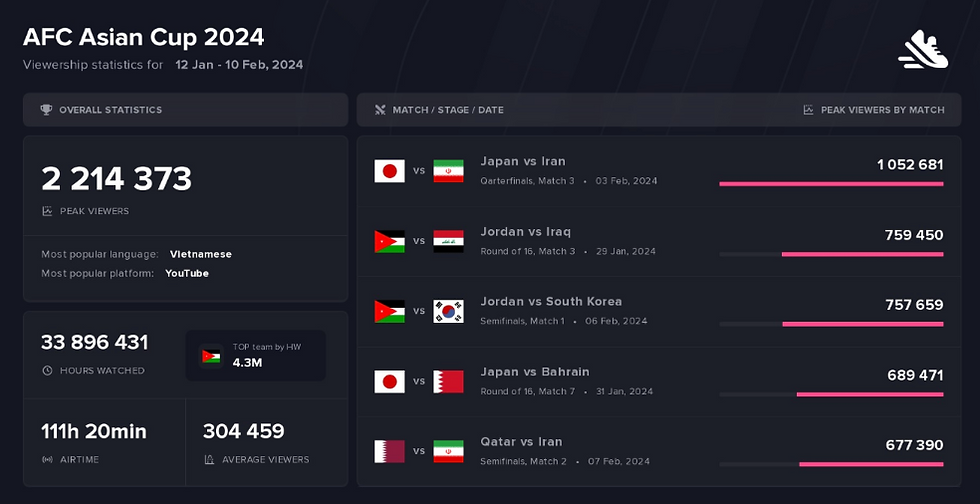
Engagement of the audience has followed. Viewership of AFC club competitions and national qualifications has increased in recent seasons due to better teams, famous names, and better broadcasts. Asian club football is now a really investable media commodity and gives clubs leverage when negotiating local and international rights thanks to significant improvements in overall reach and broadcast audiences for AFC competitions, according to AFC preliminary numbers and independent reporting. These figures are important because they translate on-field success into financial gains: sponsors purchase visibility, broadcasters pursue viewers, and clubs can become more professional without just depending on consumers.
However, there are downsides and structural limitations. Excessive investment can lead to a dependence on outside funding and alter the competitive balance within domestic leagues. Because not all federations or clubs have equal access to funding and the gaps between financially stable leagues and those that are having difficulty in becoming professional may grow. Clubs need a variety of revenue streams, such as ticketing, merchandising, local sponsorships, youth development, and media rights, relying solely on funding. A sustainable rise involves not just big name signings but also strong club governance, open financial processes, and investment in regional football ecosystems.
The most effective initiatives in the area are offering useful lessons. First, talent development needs to be integrated: scouting networks, academies, and coaching education create the next generation and shield teams from overpriced transfer markets. Second, teams may plan for the long term instead of chasing one time successes thanks to regulatory convergence between domestic leagues and the AFC. Third, club brands need to establish roots in the community, even as they grow internationally, local relevance is just as important to maintaining fan engagement as global reach. Finally, a club’s reach can be expanded through agreements with academic institutions, local federations, and commercial brands without straining their finances.

Asian club football is in the middle of a transformation– part reform, part caputal inhection– that is reshaping visibility, competitiveness and profitability. As a result, the club environment is more visible, competitive, and profitable. Asian clubs will not only take part in the global football discourse, but they will also progressively influence its governance, youth development, and revenue diversification to keep up with ambition.
Asia is no longer reacting to the global game, it is helping define its next decade.


Comments