
The Rise of Nyonya Cultural Experiences
Walking through the historic streets of Melaka, it is becoming increasingly common to see young people dressed in colorful Nyonya attire while taking photos in front of Peranakan shophouses before stopping at heritage cafes to enjoy traditional kueh and a cup of kopi. What was once seen as a culture mainly appreciated by older generations has now become a popular lifestyle experience among Malaysian youths.
In recent years, Nyonya culture has experienced a revival, with social media playing an important role in introducing traditional heritage to younger audiences. Platforms such as XiaoHongshu, TikTok and Instagram are filled with videos featuring traditional kebaya, beautifully decorated heritage cafes, Baba Nyonya museums and colorful Nyonya cuisine. These posts have inspired many young people to explore Malaysia’s cultural heritage in person rather than simply viewing it online.
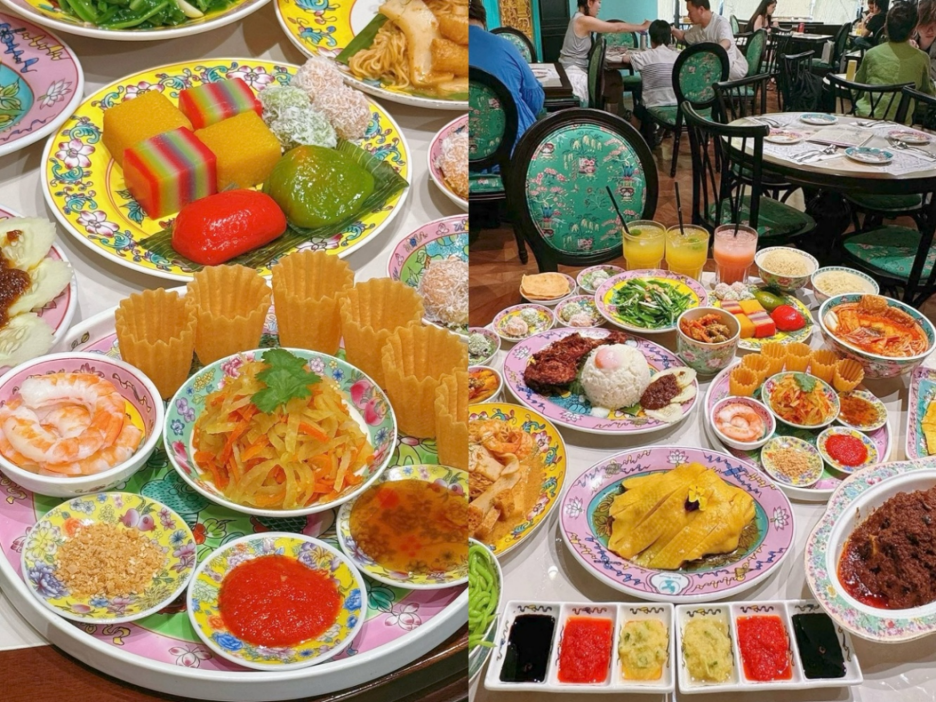
(This image shows traditional Nyonya food. It highlights how local cuisine has become an important part of the Nyonya cultural experience.)
“I first came here because I saw many beautiful photos on Xiao Hongshu,” said Chloe Tan, a university student visiting Melaka. “I thought wearing a kebaya would just make nice pictures, but after visiting the Baba Nyonya Heritage Museum and learning about the history of the Peranakan community, I realized there is much more behind the clothing. It made me appreciate the culture even more.”
For many visitors, renting Nyonya attire has become one of the highlights of their trip. Wearing traditional clothing while walking through heritage streets allows them to experience history in a more immersive way and better understand the traditions behind the culture.
Business owners have also noticed the growing popularity of these cultural experiences.
“Most of our customers are now young people,” said the owner of a Nyonya costume rental shop in Melaka, who preferred to remain anonymous. “Many first discover us through social media. They come here expecting beautiful photographs, but they often leave with a deeper understanding of Nyonya culture after asking about the meaning of the kebaya, embroidery and traditional accessories.”
Heritage cafes have also become an important part of the Nyonya experience. Instead of simply serving food, many cafes recreate the atmosphere of traditional Peranakan homes with antique furniture, vintage decorations and family recipes passed down through generations. Visitors can enjoy dishes such as Nyonya laksa, Ayam Pongteh and colorful kueh while learning about the stories behind these traditional recipes.
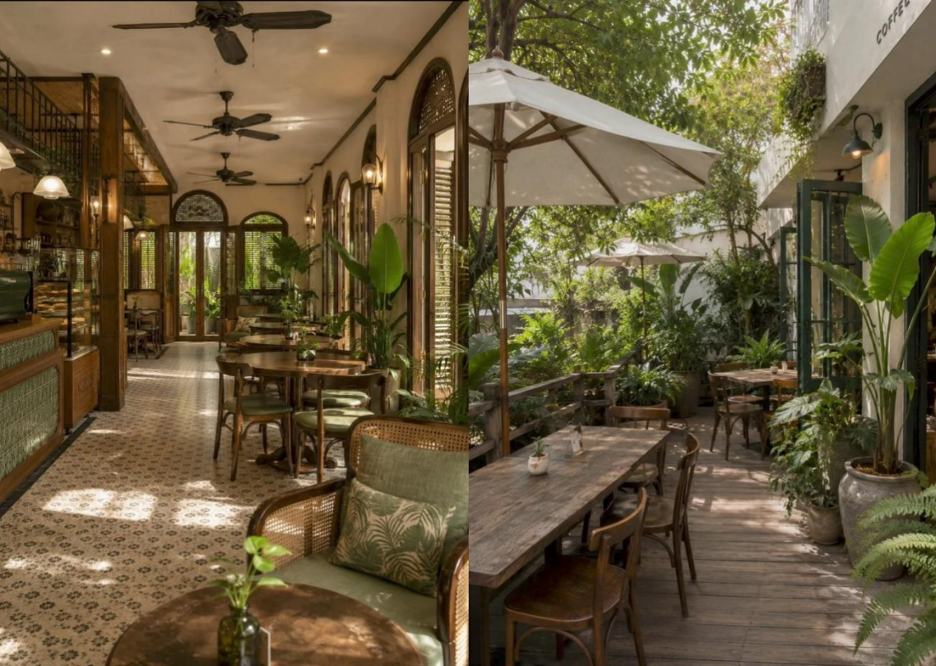
“Our customers are not only looking for a meal,” explained the owner of a heritage cafe “They want to experience the culture through the food, the environment and the stories we share. Many stay longer because they are interested in the history of the building and the traditions behind each dish.”
Beyond cafes and costume rentals, museums and heritage streets have also become an important part of the Nyonya cultural experience. Many visitors choose to explore the Baba Nyonya Heritage Museum after enjoying traditional cuisine or walking through Melaka’s historic streets. Inside the museum, antique furniture, porcelain collections, embroidered costumes and family heirlooms offer visitors a glimpse into the daily lives and traditions of the Peranakan community.
“I was surprised by how much history is preserved inside the museum,” said Aaron Lee, a visitor from Kuala Lumpur. “Before this trip, I only knew Nyonya culture through social media. After listening to the guided tour, I realized that every object tells a story, from wedding customs to family traditions. It made me appreciate the culture beyond what I had seen online.”
According to local cultural practitioners, combining museums, heritage streets, traditional cafes and costume experiences creates a more meaningful form of cultural tourism. Instead of simply taking photographs, visitors are encouraged to engage with history by wearing traditional attire, tasting authentic cuisine and learning about the customs that continue to shape Malaysia’s multicultural identity. They believe these immersive experiences help younger generations develop a stronger appreciation for local heritage while supporting the preservation of historical sites and traditional businesses.

However, not everyone believes this growing trend is entirely positive. Some cultural observers argue that social media has encouraged people to focus more on taking photographs than understanding the true meaning of Nyonya heritage. They worry that traditional culture may gradually become commercialized if businesses place greater emphasis on aesthetics than authenticity.
Despite these concerns, many believe that the renewed interest has created valuable opportunities to preserve local heritage. Museums, cafés, heritage streets and local businesses are introducing traditional culture in ways that are more engaging and accessible to younger generations. While social media may encourage people to visit, meaningful cultural experiences often inspire them to learn more about the history and values behind the traditions.
As Nyonya cultural experiences continue to gain popularity, young people are discovering that the culture offers much more than beautiful clothing or attractive cafes. Through traditional food, heritage architecture and immersive experiences, they are reconnecting with an important part of Malaysia’s multicultural identity. By balancing cultural preservation with modern promotion, the revival of Nyonya culture has the potential to keep this unique heritage alive for generations to come.

Comments